
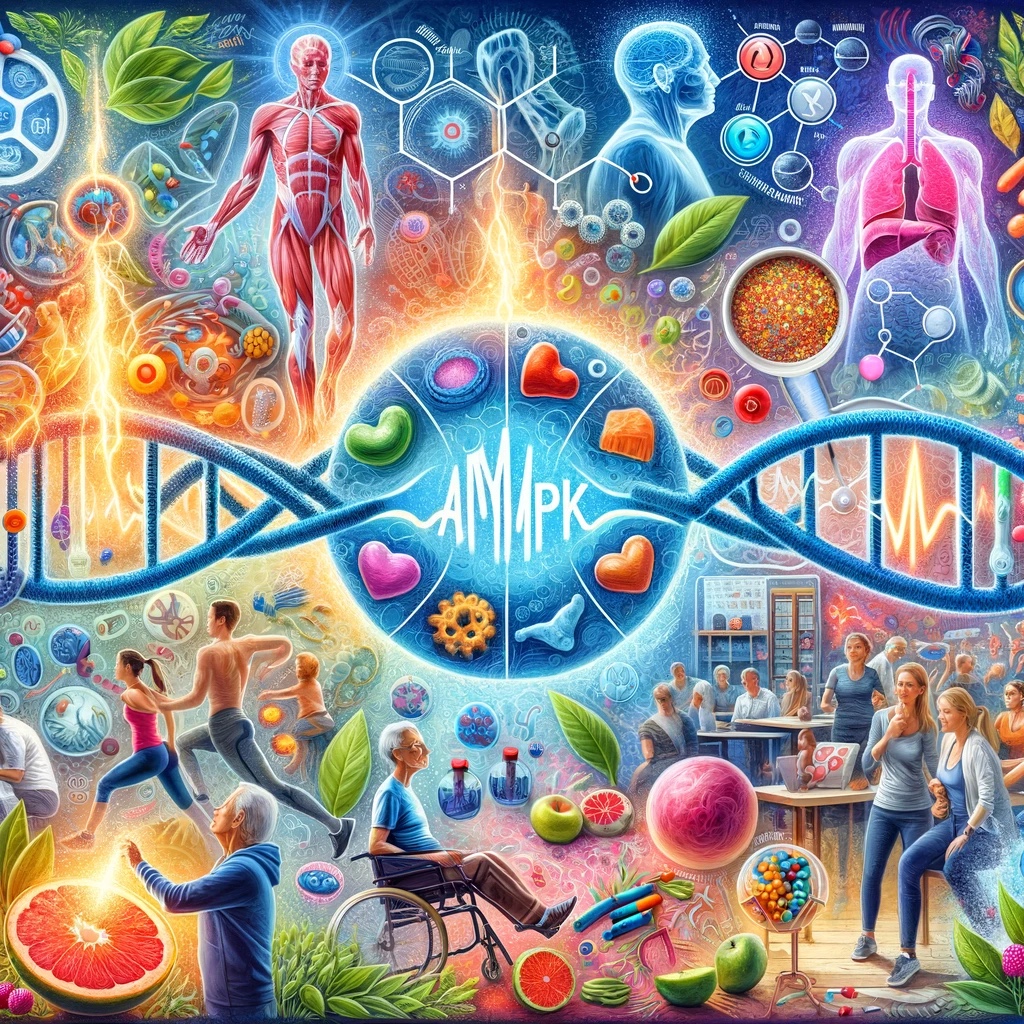
AMP-activated protein kinase (AMPK) is a cellular enzyme acting as an energy regulator in the body. Often dubbed the „longevity enzyme,“ it’s crucial for maintaining energy balance. Let’s explore how AMPK influences health span and longevity and ways to activate it.
AMPK as Central Energy Regulator:
- Energy Status of the Body: AMPK activates in response to rising AMP/ATP ratios, indicating low cellular energy. During such phases, AMPK stimulates energy-producing catabolic pathways and inhibits energy-consuming anabolic processes.
- Cellular Homeostasis: By balancing energy, AMPK significantly maintains cellular homeostasis and health, regulating processes like glucose uptake, lipid oxidation, and protein biosynthesis.
AMPK and Metabolic Health:
- Fat and Glucose Metabolism: AMPK activates fat oxidation and inhibits lipid synthesis, leading to reduced fat storage and increased fat burning. It also enhances glucose uptake in muscles and improves insulin sensitivity.
- Appetite Control and Weight Management: In the hypothalamus, AMPK acts as a regulator for food intake and body weight. Its activation can suppress appetite, leading to decreased food intake.
AMPK and Prevention of Chronic Diseases:
- Cardiovascular Diseases: By improving lipid profiles and reducing inflammation, AMPK contributes to preventing atherosclerosis and other cardiovascular diseases.
- Type-2 Diabetes: AMPK activation enhances glucose utilization and insulin sensitivity, crucial for preventing and managing Type-2 diabetes.
AMPK and Longevity:
- Aging Process: Involved in regulating growth, reproduction, and longevity, AMPK stimulates autophagy and other reparative mechanisms, promoting cell health and delaying aging.
- Healthspan: By delaying the onset of age-related diseases and promoting healthy metabolism, AMPK can extend healthy life years.
Influencing the AMPK Pathway:
- Diet: Certain nutrients and dietary approaches, like calorie-restricted diets and specific plant compounds (e.g., from green tea or turmeric), can increase AMPK activity.
- Physical Activity: Regular exercise, particularly endurance training, is one of the most effective methods to stimulate AMPK. Physical exertion increases cellular energy demand, leading to AMPK activation.
- Pharmacological Interventions: Certain drugs and supplements can influence AMPK activity. Metformin, a drug used to treat Type-2 diabetes, is a known example, although it may not have the same positive effects in healthy individuals.
Interplay between AMPK and mTOR:
AMPK and mTOR (mammalian target of rapamycin) are two central regulatory proteins in the cell, crucial in energy metabolism, cell growth, and homeostasis. Despite their different functions, they interact and regulate each other to maintain cellular balance:
- Opposing Roles: AMPK acts as an energy sensor, activating during low energy to promote energy-producing catabolic processes and inhibit energy-consuming anabolic processes. mTOR, a growth regulator, promotes anabolic processes like protein synthesis and cell growth during nutrient and energy abundance.
- AMPK Inhibits mTOR: In energy scarcity, AMPK activates energy-generating processes and simultaneously inhibits the mTOR pathway to reduce energy consumption. This is done through direct and indirect mechanisms, including the phosphorylation of TSC2 and Raptor, key components in the mTOR pathway. This inhibition slows anabolic processes like protein synthesis and cell growth, protecting the cell from further energy consumption and accelerated aging.
- Balance between Growth and Energy Conservation: The mutual regulation of AMPK and mTOR allows the cell to finely adjust to available resources. In abundance times, mTOR promotes cell growth and division, while in scarcity, AMPK reduces energy expenditure and puts the cell in a protective mode.
- Significance for Health and Disease: The balance between AMPK and mTOR is crucial for maintaining cellular health. Imbalances (often overactivity of mTOR) are associated with various diseases, including cancer, diabetes, neurodegenerative diseases, and aging.
Top 10 Foods Known to Promote AMPK Activation:
- Barberries: Contain berberine, an alkaloid that directly activates AMPK and is often used in traditional medicine.
- Green Tea: Rich in Epigallocatechin gallate (EGCG), a potent antioxidant that stimulates AMPK.
- Turmeric: Contains curcumin, which has anti-inflammatory properties and may contribute to AMPK activation.
- Garlic: Contains allicin and other sulfur-containing compounds that can promote AMPK activity.
- Extra Virgin Olive Oil: Rich in oleuropein and hydroxytyrosol, considered natural AMPK activators.
- Quinoa: Contains betaine, which contributes to improved mitochondrial function and AMPK activation.
- Dark Chocolate: Cocoa is rich in flavonoids, which have antioxidant properties and can stimulate AMPK.
- Red Grapes: Resveratrol in the skin of red grapes is known for its ability to activate AMPK.
- Apple Cider Vinegar: Contains acetates that may be helpful in activating AMPK.
- Nuts and Seeds: Particularly walnuts and flaxseed contain omega-3 fatty acids and other nutrients that can contribute to AMPK activation.
These foods contain various bioactive compounds that can potentially promote AMPK activity in the body. A balanced diet incorporating these foods could therefore contribute to improved AMPK activation and the associated health benefits. As always, it’s advisable to discuss dietary changes with a qualified health professional, especially if you have existing health conditions or are taking medications.
10 Activation Tips for Strengthening AMPK:
- Regular Exercise: Physical activity, especially endurance training, is one of the most effective methods to activate AMPK.
- Calorie Restriction and Intermittent Fasting: Periodic fasting and calorie-reduced diets can increase AMPK activity.
- Reduction of Sugar and Refined Carbohydrates: A diet low in sugar and refined carbs can help activate AMPK.
- Fiber-Rich Diet: A diet rich in fiber supports digestion and can also activate AMPK.
- Healthy Fats: Intake of healthy fats, especially omega-3 fatty acids, can promote AMPK activity.
- Green Tea: Epigallocatechin gallate (EGCG) in green tea is known to activate AMPK.
- Turmeric: The active ingredient curcumin in turmeric can also contribute to AMPK activation.
- Adequate Rest: Ensure sufficient sleep and reduce stress, as these factors can influence AMPK activity.
- Moderation in Alcohol Consumption: Excessive alcohol can negatively affect AMPK activity.
- Consultation with Professionals: Before taking supplements for AMPK activation, seek advice from a health expert.
Conclusion
Activating AMPK offers a promising approach to improving health span and longevity. Through a combination of healthy eating, regular exercise, and a mindful lifestyle, you can harness the benefits of this critical cellular switch and embark on a healthier, more vital life journey.
References
- „AMPK: A Target for Drugs and Natural Products With Effects on Both Diabetes and Cancer“ – Diabetes
- „AMP-Aktivierte Protein Kinase (AMPK) als Schlüsselfaktor für die Gesundheit und Langlebigkeit“ – Journal of Clinical Investigation
- „AMPK: Mechanism of Action and Physiological Impact“ – Endocrine Reviews
- „AMPK and the Biochemistry of Exercise: Implications for Human Health and Disease“ – Biochemical Journal
- „Role of AMP-activated protein kinase in mechanism of metformin action“ – Journal of Clinical Investigation
- „Adenosine Monophosphate-Activated Protein Kinase: A Central Regulator of Cellular Energy Metabolism“ – Annual Review of Nutrition
- „AMPK: An Emerging Drug Target for Diabetes and the Metabolic Syndrome“ – Cell Metabolism
- „AMPK as a Therapeutic Target for Treating Metabolic Diseases“ – Trends in Endocrinology & Metabolism
Kommentar verfassen