
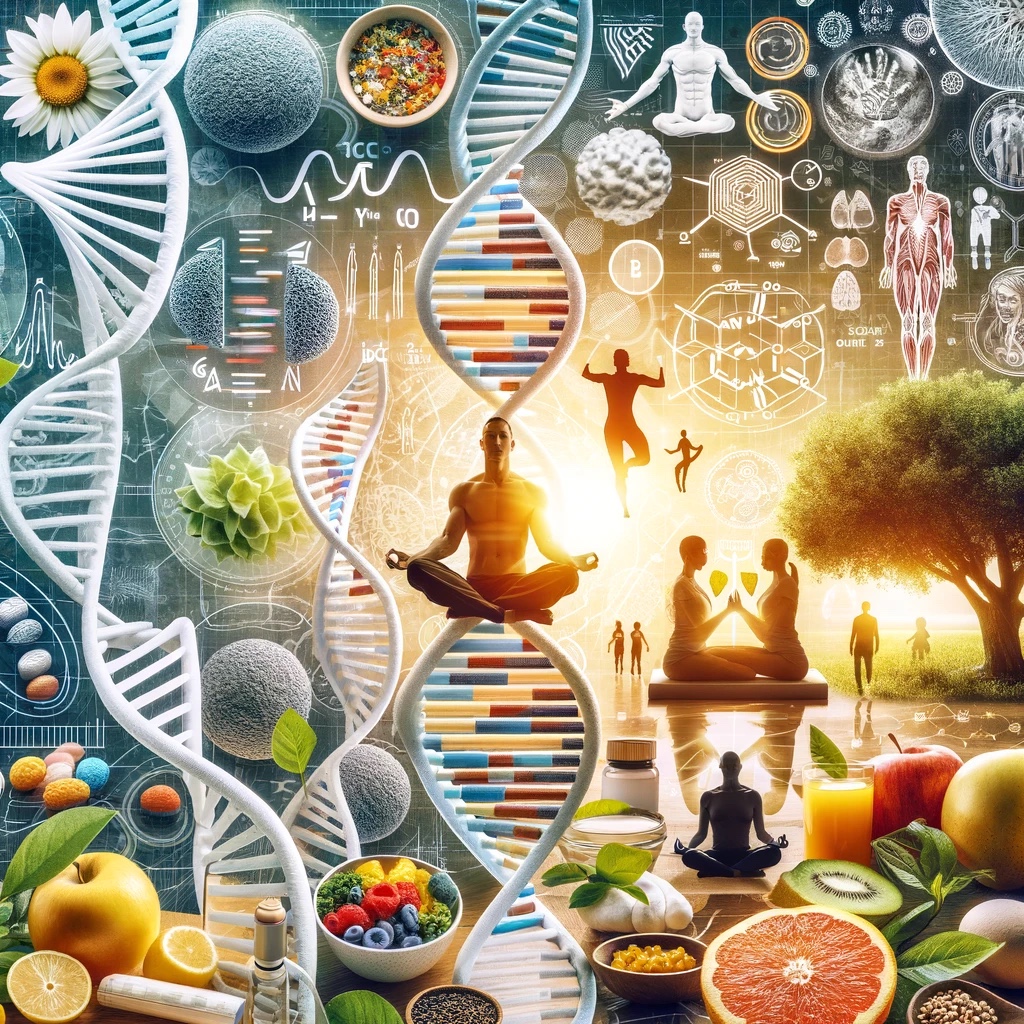
Imagine influencing the expression of your genes and actively steering your health and lifespan. That’s where epigenetics comes in. It’s the link between environment, lifestyle, and genetic destiny, showing us how external factors can turn our genes „on“ or „off.“ This article will explore how you can leverage epigenetic mechanisms to your advantage.
Key Facts on Epigenetics
Epigenetics deals with changes in gene function not caused by alterations in the DNA sequence itself. These changes are brought about by various mechanisms like DNA methylation, histone modifications, and RNA-based mechanisms that affect how genes are read.
Mechanisms of Epigenetics:
- DNA Methylation: Methyl groups are added to certain DNA sections, usually decreasing gene activity. Diet, especially nutrients like folate and vitamin B12, can influence DNA methylation, thus modifying gene expression and susceptibility to disease. This mechanism is also analyzed as the main trigger for the epigenetic clock, to determine the „true“ biological age and specific risk factors.
- Histone Modifications: Histones are proteins around which DNA wraps. Chemical modifications of these histones can change chromatin structure, influencing gene accessibility.
- Non-coding RNA: These RNA molecules can affect gene expression through various mechanisms, including interrupting translation or altering chromatin structure.
Influence of Lifestyle and Environment:
- Diet: Certain diets or nutrients can induce epigenetic changes associated with long-term health and diseases. High intake of polyphenols and certain fats (e.g., Omega 3) can influence epigenetic patterns linked to reduced inflammation and lower cancer risk.
- Exercise: Regular physical activity can influence gene expression related to fat burning, glucose metabolism, and anti-inflammatory processes through epigenetic changes improving muscle physiology and energy turnover.
- Stress: Chronic stress can lead to negative epigenetic modifications associated with increased disease susceptibility and shortened lifespan. Stress reduction and relaxation techniques can help reverse or mitigate these patterns.
Reversibility and Lifelong Adjustments:
- Epigenetic markers are not permanent and can change with altered environmental conditions or lifestyle changes, meaning even later life changes can contribute to improved health and longer life.
- The plasticity of epigenetic modifications makes them a target for preventive and therapeutic approaches. Understanding and influencing epigenetic mechanisms could pave the way to extending healthspan and improving quality of life.
Transgenerational Effects:
- Interestingly, some epigenetic changes can be passed down generations, meaning the lifestyles and environments of our ancestors can potentially influence our own gene expression (this is also an explanatory approach for the persistence of „Blue Zones„).
The realization that we can actively influence our gene expression through our lifestyle and environment opens new perspectives for disease prevention and treatment and promoting a longer and healthier lifespan. By understanding how epigenetic mechanisms work and how they are influenced by our daily decisions, we can take targeted actions to improve our health and well-being.
10 Optimization Tips for Positive Epigenetic Influence
- Balanced Diet: Incorporate a variety of plant-based products, like whole grains, fruits, and vegetables into your diet.
- Regular Exercise: Establish a regular fitness program of strength and endurance training that suits you.
- Stress Reduction: Utilize techniques like mindfulness, meditation, or yoga for stress management.
- Improve Sleep Quality: Ensure regular, restorative sleep.
- Avoidance of Toxins: Reduce exposure to smoking and environmental pollutants.
- Weight Management: Maintain a healthy body weight.
- Positive Social Interactions: Cultivate supportive relationships.
- Lifelong Learning: Continuously challenge your mind.
- Preventive Check-ups: Use regular medical checks for early detection.
- Follow Innovations: Stay updated on advances in epigenetic research.
Conclusion
Your health and longevity aren’t solely written in your genes; they are influenced daily by your choices and lifestyle. By understanding and applying epigenetic principles, you have the power to positively affect your well-being. Use the knowledge of epigenetics as a tool to actively work on a longer, healthier life.
References
- „The Epigenetics Revolution“ von Nessa Carey
- „Epigenetic Influence of Stress and the Social Environment“ in Genetics Society of America
- „Diet, epigenetics, and health“ in Journal of Nutritional Biochemistry
- „Exercise and epigenetic inheritance of disease risk“ in Acta Physiologica
- „Epigenetics: The Science of Change“ in Environmental Health Perspectives
- „Epigenetic Mechanisms in Neuroplasticity“ in Journal of Neurochemistry
- „Epigenetic Therapy of Cancer“ in Annual Review of Pharmacology and Toxicology
- „Ageing and brain white matter structure in healthy subjects“ in Nature Neuroscience
Schreibe einen Kommentar