
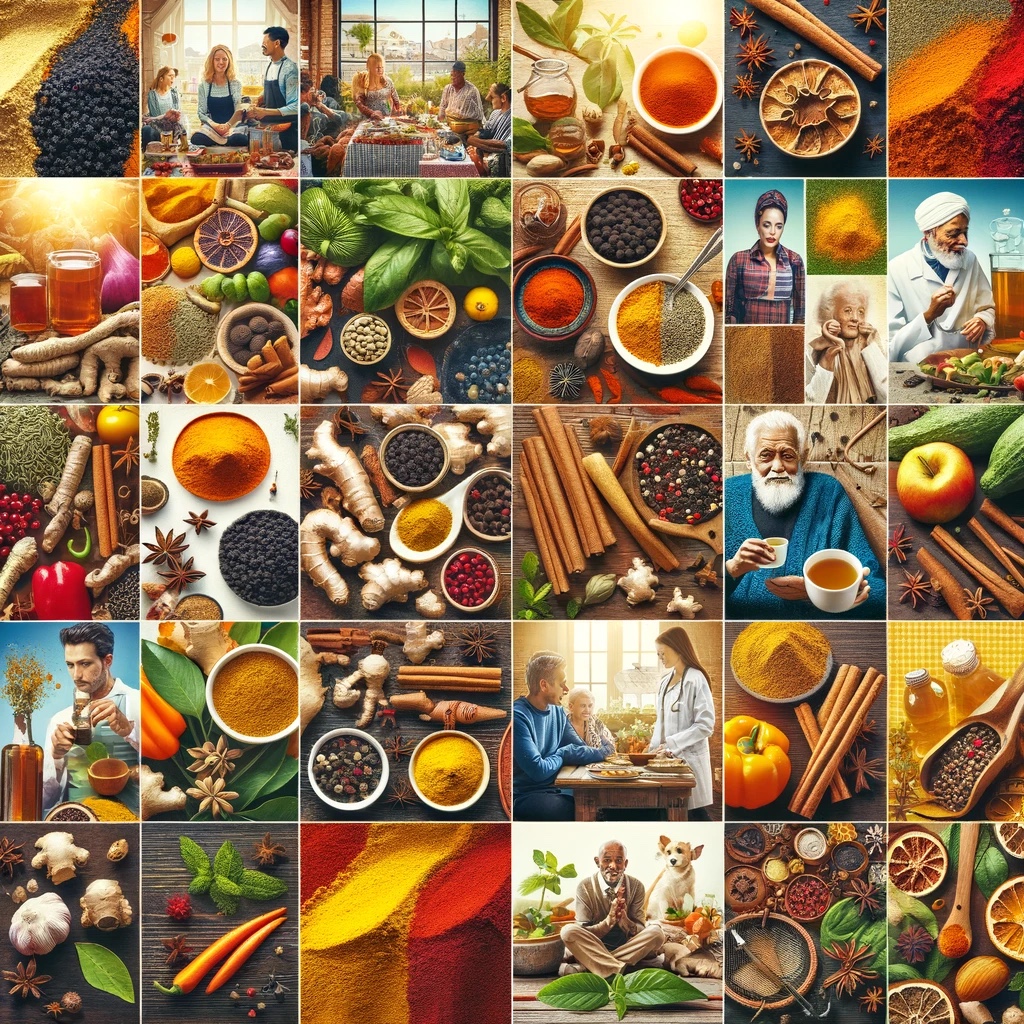
Spices have been an integral part of human diet and culture for thousands of years, known for their ability to add flavor and promote health. Beyond their culinary appeal, spices harbor a wealth of bioactive compounds that offer potential benefits for healthspan and longevity. Let’s explore the wonderful world of flavor boosters and how they can enrich our lives.
Key Points on Spices
Spices and their bioactive components:
- Chemical diversity: Spices contain a variety of bioactive compounds, including polyphenols, flavonoids, alkaloids, and terpenes, which vary by spice and offer specific health benefits.
- Synergistic effects: Often, the effects of these compounds enhance each other, leading to a potentiated health impact.
Antioxidant properties of spices:
- Neutralizing free radicals: Many spices are rich in antioxidants, neutralizing free radicals, reducing oxidative stress linked to aging and numerous diseases.
- Cell protection: By reducing oxidative damage, antioxidants in spices protect cells, leading to improved cell function and longevity.
- Examples of particularly relevant spices:
- Cardamom: Contains essential oils and phytonutrients with antioxidant properties. Wonderful in Indian sweets and teas. Also delicious in rice dishes and with lentils and beans.
- Cloves: One of the spices with the highest content of antioxidants, known for its anti-inflammatory effect. Often used in baked goods but also in savory dishes like Indian biryani or mixed with other spices in marinades.
- Sumac: Known for its potent antioxidant properties. This tangy spice is famous in Mediterranean and Middle Eastern cuisine. It goes great with salads, vegan kebabs, falafel, or as part of spice mixes like Za’atar. Sprinkle it over hummus or avocado toast for a lemony kick.
Anti-inflammatory effects of spices:
- Inhibition of inflammatory molecules: Certain spices can inhibit the activity and production of enzymes and cytokines involved in the inflammatory response, leading to reduced inflammation in the body.
- Long-term benefits: Chronic inflammation is a major driver of many aging processes and diseases. The anti-inflammatory properties of spices can help mitigate these risks.
- Examples of particularly relevant spices:
- Chili / Cayenne pepper (Capsaicin): Capsaicin is known for its pain-relieving effect and may help reduce inflammation. Ideal for anything that needs a spicy touch. Fits well with soups, stews, tofu dishes, and vegetable pans.
- Oregano: Contains thymol and carvacrol, two compounds with anti-inflammatory properties. A must for Italian and Mediterranean dishes, including pizzas, pasta sauces, and grilled vegetables.
Spices and heart health:
- Improving cardiovascular function: Some spices have blood pressure-lowering properties, improve endothelial function, and can help regulate cholesterol levels.
- Prevention of atherosclerosis: Antioxidant and anti-inflammatory effects help prevent the formation of atherosclerotic plaques.
- Examples of particularly relevant spices:
- Saffron: May help lower cholesterol levels and improve heart health. Imparts a rich flavor and beautiful color to paella, risotto, and desserts. Often used in rice dishes and soups in vegan cuisine.
- Rosemary: Valued for its circulatory stimulating properties and may contribute to heart health. Rosemary has a strong, woody aroma and is excellent for Italian and Mediterranean dishes. Add it to roasted vegetables, potatoes, mushroom dishes, or vegan „meat“ roasts. It also gives homemade bread and focaccia an aromatic note.
Spices and brain health:
- Neuroprotection: Certain spices can promote the formation of new brain cells and protect existing ones from damage, leading to improved brain function and a lower risk of neurodegenerative diseases.
- Cognitive function: Some studies have shown that certain spices can improve cognitive functions, including memory, attention, and processing speed.
- Examples of particularly relevant spices:
- Thyme: Contains compounds that can help maintain cognitive function. Thyme is versatile and adds depth to soups, stews, sauces, and bean dishes. It also goes well with tomatoes, eggplants, and zucchini. Thyme branches can be added when cooking lentils or chickpeas to enhance the flavor.
- Nutmeg: Has a calming effect in small doses and can promote concentration. This spicy and slightly sweet spice is great in creamy soups, béchamel sauce, and root vegetable dishes. A pinch of nutmeg can also be added to spinach, pumpkin, and sweet potato dishes. In vegan baked goods, nutmeg provides warm depth.
Spices and digestive health:
- Promoting digestion: Spices can aid digestion by stimulating the production of digestive juices and alleviating digestive discomforts such as bloating and cramps.
- Microbiome support: Some spices have prebiotic properties and can support the growth of beneficial microorganisms in the gut.
- Examples of particularly relevant spices:
- Fennel: Known for its antispasmodic effect and support in digestion. Wonderful in salads, savory baked goods, or as part of a spice mix for bread and roasts.
- Cumin: Can help alleviate digestive issues and improve nutrient uptake. Often used in Middle Eastern and Eastern European cuisine, including falafel, bread, and cabbage dishes.
Spices and cancer prevention:
- Inhibition of cancer cells: Certain compounds in spices have been shown to inhibit the growth of cancer cells and promote apoptosis (programmed cell death).
- Reducing metastasis: They can also reduce the ability of cancer cells to spread and form metastases.
Examples of particularly relevant spices:
- Paprika: Contains particularly many antioxidants that can help reduce the risk of cancer. It is a key element in Hungarian and Spanish dishes, giving color and flavor to goulash, paella, and smoked tofu.
- Coriander: Contains antioxidants and may have a detoxifying effect. Both seeds and leaves are popular in Asian, Latin American, and Indian dishes. Goes well with salsas, curries, and rice dishes.
Spices and longevity:
- Overall effects: The combined antioxidant, anti-inflammatory, cardioprotective, and neuroprotective effects of spices can significantly contribute to extending the healthspan and promoting longevity.
- Prevention of age-related diseases: By reducing risk factors for major age-related diseases, spices can help live healthier and longer.
- Examples of particularly relevant spices:
- Turmeric (Curcumin): In addition to its anti-inflammatory effect, curcumin helps modulate growth factors and antioxidant enzymes. Ideal for curries, dals (lentil dishes), golden milk, and as a colorant in rice dishes. It pairs well with chickpeas, tofu, and vegetable curries.
- Ginger (Gingerols): Ginger is known for its anti-nausea properties and can reduce inflammation and improve blood circulation. Perfect for Asian dishes, soups, sauces, marinades, and teas. Ginger gives stir-frys, vegan sushi variants, and sweet and sour dishes a fresh kick.
- Cinnamon (Cinnamaldehyde): Cinnamon can help regulate blood sugar levels and has antimicrobial properties. Often used in sweet dishes like pastries, smoothies, and breakfast dishes like oatmeal or granola. But also in savory dishes like Moroccan tagines or pumpkin soups.
- Garlic (Allicin): Allicin is a potent antioxidant and has antimicrobial effects. It can also help lower blood pressure and cholesterol. A universal ingredient that adds depth and flavor to almost any savory dish, including soups, sauces, pastes, and roasts.
- Black pepper (Piperine): Piperine enhances the bioavailability of other compounds, particularly curcumin, and has antioxidant properties. Fits almost everything. Especially good in combination with salads, soups, tofu scramble, and as a general seasoning.
- Star anise: Contains shikimic acid, which may have antiviral properties. It gives broths, slow stews, and teas an exotic note with its sweetly licorice-like flavor. Ideal for flavored soups and Asian dishes.
This detailed analysis demonstrates how integrating spices into the daily diet can provide far-reaching benefits for health, disease prevention, and longevity promotion. By providing a variety of bioactive compounds, spices are an important component of a healthy lifestyle.
10 Tips to Spice Up Your Life
- Integrate a variety: Use a variety of spices in your diet to benefit from their different health benefits.
- Fresh or dried: Use fresh spices whenever possible, but dried spices are also a good and durable option.
- Kitchen experiments: Be creative and experiment with different spice combinations in your dishes.
- Moderation is key: Spices are potent; a small amount can already have a large impact.
- Store spices properly: Store spices in a cool, dark place to preserve their potency.
- Pay attention to quality: Buy spices from trusted sources to ensure purity and quality.
- Caution with health conditions: Some spices can interact with medications or not be recommended for certain health conditions. Consult a doctor if you have concerns.
- Learn traditional use cases: Many spices have a rich history in traditional medicine; explore these to understand their application.
- Make your own spice mixes: Make your own mixes to enjoy flavor without additional salt or artificial additives.
- Use spices in teas and drinks: Extend their application beyond cooking by using them in teas, smoothies, or golden milk.
Conclusion
Spices are more than just flavor carriers; they are powerful allies in our pursuit of health and longevity. From combating inflammation and oxidative stress to improving digestion and heart health, incorporating a variety of spices into your daily diet can offer diverse health benefits. Discover the world of spices and let them spice up your path to a healthier, longer life.
References
- „Spices for Prevention and Treatment of Diseases“ – Indian Journal of Physiology and Pharmacology
- „Health Benefits of Culinary Herbs and Spices“ – Journal of AOAC International
- „Antioxidant Spices Reduce Oxidative Stress“ – BioMed Research International
- „Herbs and Spices in Cancer Prevention and Treatment“ – Cancer Treatment and Research
- „Spices and Herbs: Their Anti-inflammatory Properties“ – Current Pharmaceutical Design
- „Neuroprotective Herbs and Spices“ – Journal of Traditional and Complementary Medicine
- „The Influence of Spices on the Metabolic Syndrome“ – Food Quality and Safety
- „Cardiovascular Benefits of Major Spices: A Review“ – World Journal of Cardiology
Kommentar verfassen