
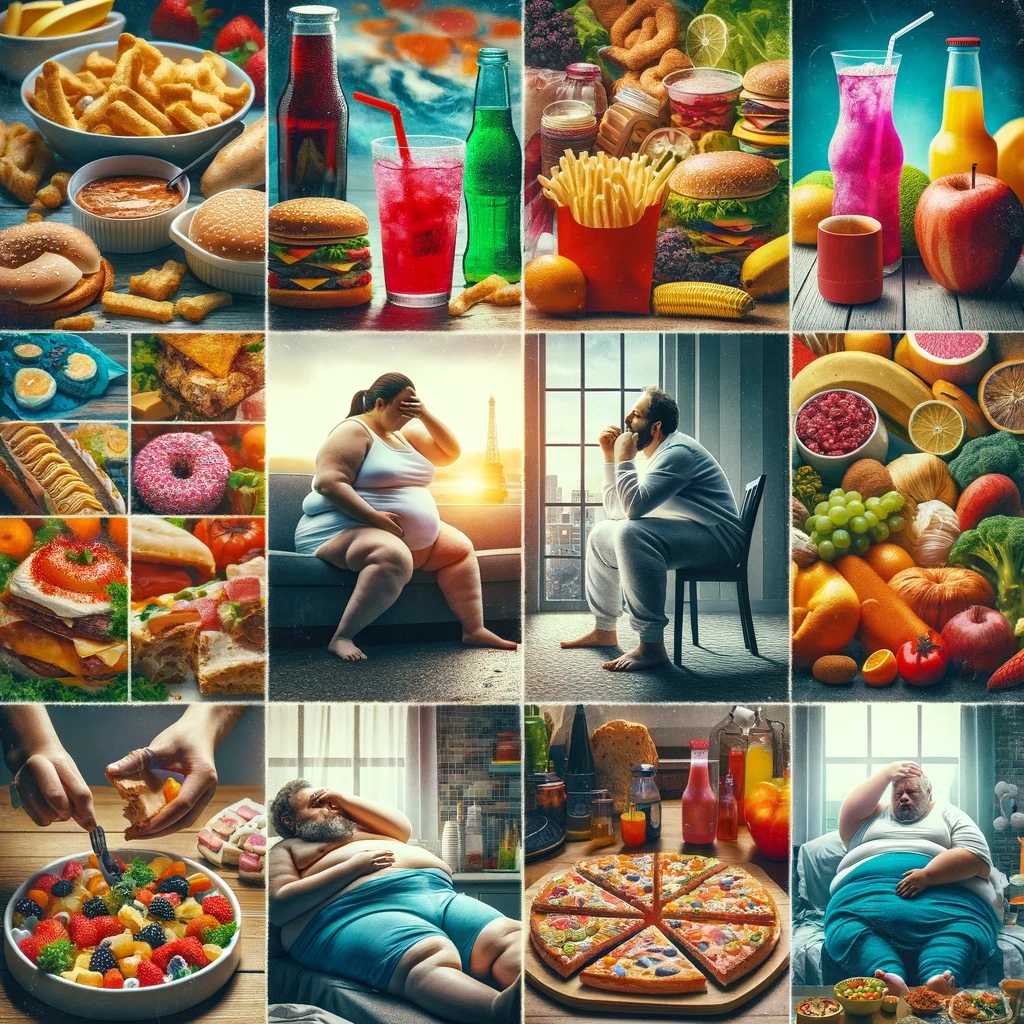
Obesity and being overweight are now global health issues that increase the risk for numerous chronic diseases and can significantly negatively affect life expectancy.
The constant and inexpensive availability of energy-rich, high-calorie foods and drinks with high amounts of saturated fats and simple carbohydrates (sugar) and the often high proportion of industrially processed foods contribute to this epidemic. Additionally, the situation is exacerbated by the fact that most people nowadays move significantly less than 40-50 years ago, thus worsening the energy balance on the „consumption side.“
Currently, about 60% of adult Germans are overweight or obese; in the USA, it’s even more than two-thirds. According to the German Obesity Society, significant overweight shortens life expectancy by about 5 years; the health span (healthy years of life) is probably even more drastically reduced.
Insights into Obesity and Its Severe Health Consequences
Metabolic Disorders and Diseases
- Insulin Resistance and Type 2 Diabetes: Obesity, especially the accumulation of fat in the abdominal area (so-called visceral fat), leads to an increased release of free fatty acids into the bloodstream, impairing insulin action in cells and reducing glucose tolerance. Chronic hyperglycemia damages organs and systems over time, leading to diabetic complications such as kidney damage, vision loss, and peripheral neuropathy. Obese people have an approximately ninefold increased risk of developing diabetes.
- Dyslipidemia: Dysregulation of fat metabolism, characterized by increased triglycerides and LDL cholesterol and decreased HDL cholesterol, promotes the development of atherosclerotic plaques in the arteries. This increases the risk for coronary heart disease, heart attack, and stroke.
Cardiovascular System
- Hypertension: The additional body weight increases blood volume and resistance in blood vessels, raising blood pressure. Chronic high blood pressure strains the heart and damages blood vessel walls, facilitating the development of heart failure and other cardiovascular diseases.
Joints and Musculoskeletal System
- Osteoarthritis: The additional mechanical load on joints due to obesity accelerates cartilage wear, especially in weight-bearing joints like the knees. This ultimately leads to pain, stiffness, and mobility restrictions.
Respiratory Diseases
- Asthma: Obesity is associated with chronic inflammation, not only impairing metabolism but also affecting the airways. Inflammatory cytokines can enhance airway hyperreactivity, leading to asthma.
Cancer Risk
- Digestive Tract Cancer: Obesity increases the risk for cancers of the digestive tract, including colon, liver, and gallbladder cancer. Mechanisms include inflammation, insulin resistance, and hormonal changes that promote cell growth.
Psychological and Cognitive Effects
- Cognitive Impairment: Research suggests that obesity is associated with changes in brain structure that can impair cognitive functions. Obesity is linked to reduced volume in certain brain regions, which can also impair cognitive performance.
Reproductive Health
- PCOS and Infertility: Obesity can exacerbate hormonal imbalances that lead to PCOS, a common cause of infertility in women. PCOS is characterized by cysts in the ovaries, irregular menstrual cycles, and insulin resistance.
Quality of Life and Daily Function
- Limited Mobility: Obesity can restrict the ability to perform everyday activities and exercises, leading to a vicious cycle of inactivity and further weight gain.
Prevention and Management of Chronic Diseases
- Improving Dietary Habits: A diet rich in whole grains, vegetables, fruits, and lean proteins can help reduce obesity and lower the risk for chronic diseases.
This analysis underscores the necessity of a multidisciplinary approach to treating and preventing obesity, focusing not only on weight loss but also on improving metabolic health and reducing the risks of accompanying diseases.
Methods for Measuring/Evaluating Obesity
Body Mass Index (BMI)
The Body Mass Index (BMI) is a widely used method to assess overweight and obesity. It is calculated from body weight in kilograms, divided by the square of body height in meters (kg/m²).
Categories:
- Underweight (BMI under 18.5): Indicates potential malnutrition and associated health risks.
- Normal weight (BMI 18.5 to 24.9): Considered the healthiest range.
- Overweight (BMI 25 to 29.9): Indicates a person has more body weight than considered healthy.
- Obesity Grade I (BMI 30 to 34.9): A higher level of overweight associated with increased health risks.
- Obesity Grade II (BMI 35 to 39.9): Severe overweight with a high risk of chronic health problems.
- Obesity Grade III (BMI over 40): Also known as morbid obesity, poses a serious health risk.
Limitations of BMI:
- Muscle Mass: BMI does not differentiate between fat and muscle mass. A very muscular person can have a high BMI without being overweight in terms of excess body fat.
- Body Build: People with the same BMI can have different body fat distributions and thus different risk profiles due to different body build types.
- Age and Gender: BMI does not account for age or gender, which can significantly influence body composition.
Alternative Methods for Assessing Body Weight
Waist Circumference and Waist-to-Hip Ratio:
- These measurements provide insights into fat distribution and the risk for metabolic diseases. An increased waist circumference or a high waist-to-hip ratio is associated with a higher risk for cardiovascular diseases and type-2 diabetes.
- A waist circumference of over 102 cm in men and 88 cm in women is considered critical.
- The waist-to-hip ratio (WHR) is determined by dividing the waist circumference in centimeters by the hip circumference in centimeters. Values over 0.9 in men and 0.85 in women are deemed unfavorable and health hazardous.
Body Fat Percentage:
- The body fat percentage directly measures the amount of fat tissue compared to the total body mass. Methods for determining body fat percentage include skinfold measurements, bioelectrical impedance analysis (BIA), and DEXA scans (Dual-Energy X-ray Absorptiometry).
- When evaluating body fat percentage and corresponding health risks, gender (women typically have a higher, healthy fat percentage due to evolutionary reasons) and age should also be considered.
- As a rough guideline, a healthy body fat percentage in women is generally below 30% (better below 25%), and in men below 25% (better below 20%).
DEXA Scan:
- A DEXA scan provides detailed imaging and analysis of body composition, including bone mineral density, fat mass, and lean mass. It is considered one of the most accurate methods for determining body fat percentage.
Bioelectrical Impedance Analysis (BIA):
- BIA measures the body’s electrical resistance to estimate body composition. Although it’s a convenient and quickly performed method, its accuracy can be influenced by hydration status and other factors.
Skinfold Measurement:
- This method measures skinfolds at various body sites to estimate body fat percentage. The accuracy depends on the measurer’s experience and the consistency of the measurements.
Each of these methods has its own advantages and disadvantages, as well as levels of accuracy. The choice of the most suitable method depends on the specific goals of the assessment and the available resources. Often, a combination of these methods is used to obtain a comprehensive picture of body composition and health status.
10 Tips for Avoiding/Combating Excess Pounds:
- Balanced Diet: Focus on a nutrient-rich diet with plenty of fruits, vegetables, whole grains, and lean proteins.
- Regular Exercise: Incorporate daily physical activity into your life to burn calories and stimulate metabolism.
- Portion Control: Pay attention to portion sizes to prevent excessive calorie intake. Alternatively/additionally, intermittent fasting can be an effective approach to calorie control.
- Drink Water: Replace sugary drinks with water and unsweetened tea to save calories and promote hydration.
- Improve Sleep Quality: Ensure adequate sleep, as lack of sleep can disrupt hormone balance, thereby increasing the risk of weight gain.
- Stress Management: Reduce stress through techniques such as meditation, yoga, mindfulness exercises, or deep breathing, as stress can lead to unhealthy eating habits.
- Smart Snack Choices: Choose healthy snacks like fruits, nuts, or yogurt to curb hunger between meals.
- Avoid Fast Food: Cut down on fast food and processed foods that are high in calories, fat, and sugar.
- Set Realistic Goals: Set achievable weight loss goals and celebrate your progress. About 500 grams per week is commonly considered healthy and attainable.
- Seek Support: Consider joining a support group or seeking the help of a nutritionist or trainer.
Conclusion
Understanding the types of obesity and their impacts on health span and longevity is the first step towards reversing these trends. By implementing the tips mentioned above, you can make positive changes in your life that not only affect your weight but also your overall health and well-being.
References
- „Obesity and overweight“ – World Health Organization
- „Obesity News“ – American Heart Association
- „Adipositas und Typ-2-Diabetes (Update 2023)“ – Wiener Klinische Wochenschrift
- „Obesity and Cancer“ – National Cancer Institute
- „How Fat Affects Osteoarthritis“ – Arthritis Foundation
- „Adipositas und dessen Auswirkungen auf die psychische Gesundheit“ – socialnet.
- „Weight Loss and Sleep“ – Sleep Foundation
- „New WHO report: Europe can reverse its obesity “epidemic”“ – World Health Organization
- „Folge- und Begleiterkrankungen“ – Deutsche Adipositas-Gesellschaft
- „Bauchumfang entscheidend für das gesundheitliche Risiko“ – Bundeszentrum für Ernährung
Kommentar verfassen