
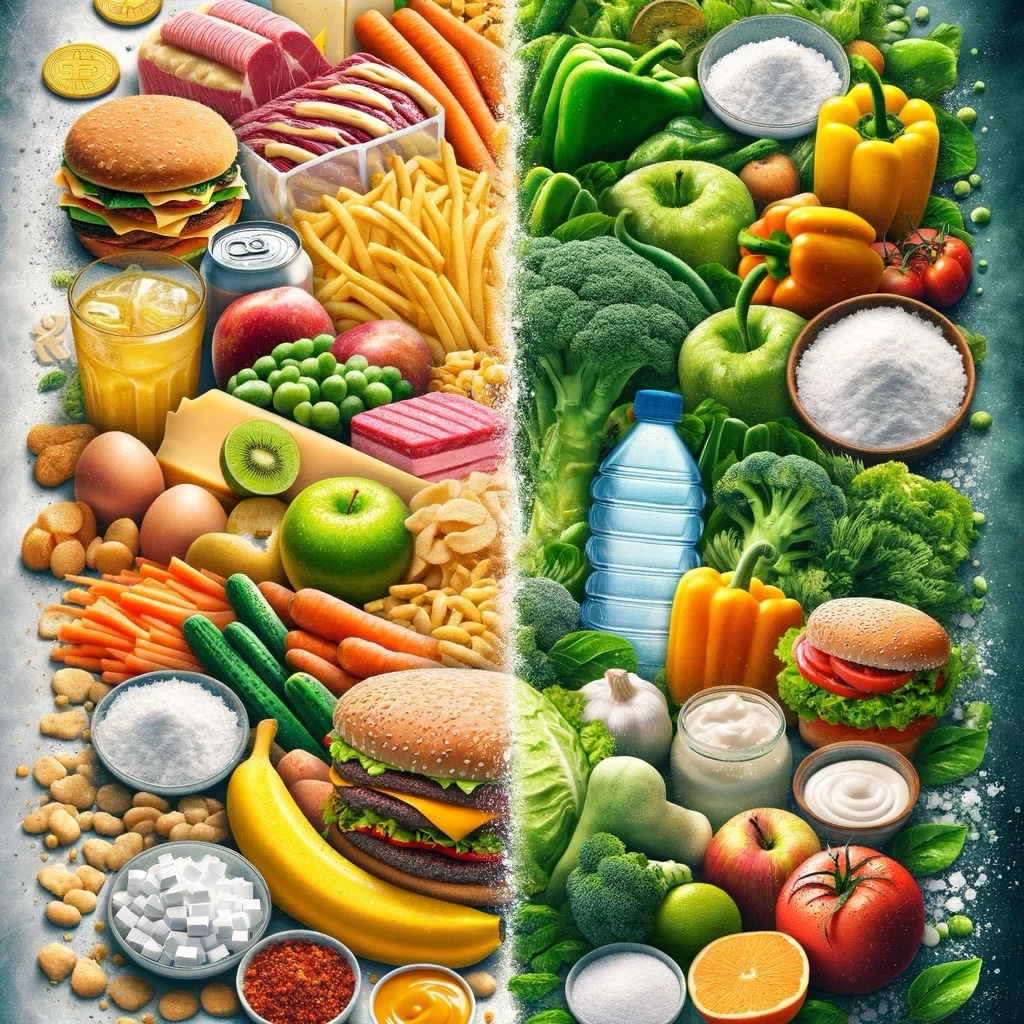
Today, we’re presented with a plethora of dietary options that can significantly impact our health and longevity. Two contrasting dietary approaches that often come under scrutiny are the classic western diet and the plant-based diet. While the western diet is known for its high content of processed foods, red meat and sugary beverages, the plant-based diet emphasizes the consumption of fruits, vegetables, whole grains, and legumes. The health impacts of these diets are a crucial area of research and offer valuable insights for shaping our eating habits.
Navigating Between the Two Worlds
Classic Western Diet
High Proportion of Processed Foods
- Characteristics: The western diet shines with its abundance of additives, preservatives, salt, and artificial flavors, enhancing shelf life and taste but nutritionally inferior.
- Impacts: Increased risk of chronic diseases due to unhealthy fats, excess sugar and salt.
Excess of Animal Products
- Consequences: High intake of saturated fatty acids, cholesterol and AGEs, linked to cardiovascular diseases and certain cancers.
- Nutritional Density: Lack of essential plant-based nutrients such as fibers and phytonutrients.
Lack of Whole Foods
- Problem: A hallmark of the western diet is inadequate consumption of fruits, vegetables and whole grains, leading to deficiencies in vital vitamins, minerals and antioxidants.
High in Sugar and Fat
- Insulin Resistance: High consumption of sugar and processed carbohydrates can lead to the development of insulin resistance, a precursor to type 2 diabetes.
- Inflammatory Conditions: Saturated and trans fats contribute to systemic inflammation, which can foster chronic diseases.
Micronutrient Deficiency
- Displacement Effect: The western diet favors high-caloric, nutrient-poor foods, often leading to a deficiency in essential vitamins and minerals, impairing immune function and cell repair mechanisms.
Additives and Preservatives
- Health Risks: Certain food additives and preservatives are linked to an increased risk of allergies, asthma and even certain cancers.
Typical Foods
- Fast Food: Burgers, fries, hot dogs
- Processed Meat: Sausage, bacon, ham
- Sweets and Snacks: Chips, chocolate, cookies
- Sugary Beverages: Sodas, sweet juices, energy drinks
- Prepared Meals: Frozen pizza, microwave meals
- White Flour Products: White bread, pasta, pastries
- Animal Fats: Butter, cream, full-fat cheese
- Red Meat: Beef, pork, lamb
Plant-Based Diet
Rich in Micronutrients
- Benefits: High concentration of vitamins, minerals, antioxidants, and fibers boosting the immune system and reducing inflammation.
- Diversity: A variety of phytonutrients from different plant sources enhances health resilience.
Natural Fat Sources
- Healthy Fats: Consumption of unsaturated fats from avocados, nuts and seeds supports heart health.
- Omega-3 Fatty Acids: Plant sources like flaxseeds and walnuts offer essential omega-3 fatty acids, acting anti-inflammatory.
Low Intake of Saturated Fats and Cholesterol
- Heart Health: Reduced risk of arteriosclerosis and heart attack due to lower intake of harmful fats.
High Content of Prebiotic Fibers
- Digestion and Satiety: Promotes a healthy gut flora, supports digestion, and can contribute to natural weight regulation.
- Gut Health: Soluble and insoluble fibers promote a healthy gut microbiota, essential for digestive health, immune function and even mental health.
Variety of Phytochemicals
- Health-Enhancing Effects: Flavonoids, carotenoids and other phytochemicals act as antioxidants, anti-inflammatory agents and protect against DNA damage.
Plant-Based Proteins
- Cholesterol-Free and Low-Fat: Legumes, nuts and seeds provide high-quality protein without the harmful fats and cholesterol of animal sources.
Typical Foods
- Vegetables: Leafy greens, broccoli, peppers, sweet potatoes
- Fruits: Apples, berries, bananas, citrus fruits
- Whole Grains: Whole grain bread, brown rice, quinoa, oats
- Legumes: Lentils, chickpeas, black beans
- Nuts and Seeds: Almonds, chia seeds, flaxseeds, walnuts
- Plant Oils: Olive oil, avocado oil, flaxseed oil
- Plant-Based Milk Alternatives: Almond milk, soy milk, oat milk
- Tofu and Tempeh: Soy products as protein sources and meat substitutes
- Leafy Greens: Spinach, kale, chard
- Berries and Fruits: For natural sweetness and antioxidants
Impacts on Health Span and Longevity
Disease Prevention
- Chronic Diseases: A plant-based diet is associated with a lower risk of type 2 diabetes, cardiovascular diseases and certain cancers.
- Weight Management: The low natural calorie density of plant foods supports a healthy body weight and prevents obesity.
Heart Health
- Blood Pressure and Cholesterol: A plant-based diet can lower blood pressure and contribute to a favorable cholesterol profile.
Cognitive Functioning and Brain Health
- Neuroprotection: Antioxidants and omega-3 fatty acids from plant sources can have neuroprotective effects and protect against cognitive decline.
Cancer Prevention
- Risk Reduction: The high content of fibers, vitamins and phytochemicals in a plant-based diet is associated with a reduced risk of various cancers.
Improving Quality of Life
- Energy and Well-being: A nutrient-rich diet can lead to more energy, better well-being and increased joy in life.
- Longevity: Research suggests that a plant-based diet is associated with a longer lifespan and better quality of life in old age.
Adjusting Dietary Habits
Transition from Western to Plant-Based Diet
- Gradual Transition: Start by integrating more vegetables, whole grains and plant-based protein sources into every meal while gradually reducing animal product consumption.
Diversity and Wholeness
Broad Spectrum: Ensure your diet includes a wide range of whole plant foods to obtain all necessary nutrients. Vitamin B12 is the most critical nutrient in a plant-based diet and must be considered.
Cooking Techniques and Recipe Adjustments
- Creative Cooking: Experiment with plant-based alternatives and discover new recipes that support a healthy and tasty diet.
The exploration of the complex aspects of dietary approaches shows that a plant-based diet offers numerous health benefits that contribute to the prevention of chronic diseases, improvement of life quality and promotion of longevity. Consciously choosing a diet rich in plant-based, whole foods represents a feasible and rewarding lifestyle adjustment promising long-term health benefits.
10 Tips for Transitioning from a Typical Western to a Plant-Based Diet
- Eat a variety of vegetables: Incorporate a wide range of vegetables into your daily meals.
- Prefer whole fruits: Choose whole fruits over fruit juices for more fibers and less sugar.
- Choose whole grains: Replace refined grains with whole grain options.
- Incorporate legumes: Include legumes as a protein source in your diet.
- Use healthy fats: Opt for unsaturated fats from nuts, seeds and avocados.
- Reduce sugar and salt: Be mindful of hidden sugar and salt in processed foods.
- Drink water: Make water your primary beverage and reduce sugary drinks.
- Cook regularly: Prepare meals yourself to have full control over the ingredients.
- Watch portion sizes: Be mindful of portion sizes to avoid overeating.
- Maintain flexibility: Be open to new foods and recipes to keep variety and enjoyment in eating.
Conclusion
Choosing between a classic western diet and a plant-based diet can have profound effects on our health, well-being and lifespan. Turning towards a plant-based diet, rich in natural, nutrient-dense foods, offers a promising path to health promotion and chronic disease prevention. It’s never too late to make positive dietary changes that can enrich our lives in the long term.
References
- „The Safe and Effective Use of Plant-Based Diets with Guidelines for Health Professionals“ – Nutrients
- „Is A Plant Based Diet Healthier Than A Western Diet?“ – bartleby research
- „Comparing The Effects of Plant-Based Diets and Western Diets on Cardiovascular Disease Risk Factors: A Review“ – Natural and Clinical Science and Technology
- „Global Impacts of Western Diet and Its Effects on Metabolism and Health: A Narrative Review“ – Nutrients
- „A Study Protocol for a Parallel-Designed Trial Evaluating the Impact of Plant-Based Diets in Comparison to Animal-Based Diets on Health Status and Prevention of Non-communicable Diseases—The Nutritional Evaluation (NuEva) Study“ – frontiers
- „The Western Diet: Processed Foods and Meats Are Killing Us“ – Sentient
- „Polyphenols as a new class of prebiotics for gut microbiota manipulation“ – Arhiv za farmaciju
- „Contrasting effects of Western vs Mediterranean diets on monocyte inflammatory gene expression and social behavior in a primate model“ – eLife
Antworte auf den Kommentar von Small Powerhouses for a Big Life: How Legumes Boost Your Health! – Longevity For YouAntwort abbrechen