
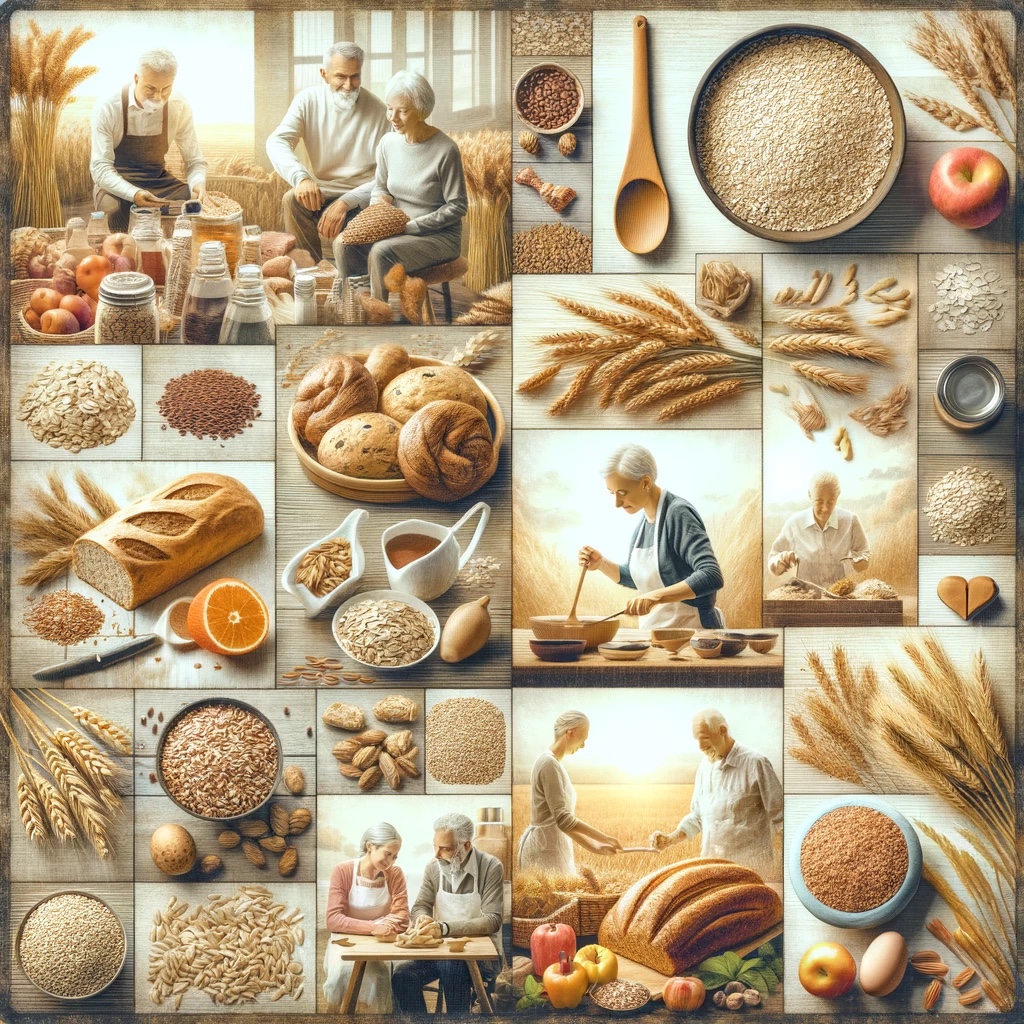
Whole grains have long been recognized for their health benefits. In a world increasingly dominated by processed foods, whole grains are an essential source of nutrients that significantly contribute to longevity and a healthy lifestyle.
Key Points on Whole Grain
What is Whole Grain?
- Definition: Whole grain products contain all parts of the grain – the germ, endosperm, and bran. Unlike refined grains, where the germ and bran are removed, whole grains retain all their nutrients and fibers.
- Examples of Whole Grain Products: Whole wheat bread, pasta, pumpernickel, oatmeal, quinoa, brown rice, bulgur, spelt, and wild rice varieties.
Whole Grain and Heart Health:
- Blood Vessel Health: The fiber in whole grains helps lower blood lipid levels, promoting blood vessel health.
- Anti-Inflammatory Effect: Certain ingredients in whole grains can reduce body inflammation, contributing to the prevention of heart diseases.
- Blood Pressure Reduction: Regular consumption of whole grains can help lower high blood pressure, another risk factor for heart diseases.
Whole Grain and Digestive Health:
- Prebiotic Effect: The fiber in whole grains supports healthy gut flora, serving as food for beneficial gut bacteria.
- Prevention of Digestive Disorders: Regular consumption of whole grains can reduce the risk of constipation and other digestive issues, thanks to their fiber content.
Whole Grain and Weight Management:
- Prolonged Satiety: The fiber in whole grains provides a longer feeling of fullness, aiding in controlling eating habits.
- Low Glycemic Index: Whole grain products often have a lower glycemic index than processed grain products, leading to more stable blood sugar levels.
Whole Grain and Chronic Diseases:
- Type-2 Diabetes: Whole grains can help reduce the risk of type-2 diabetes by improving insulin sensitivity and regulating blood sugar levels.
- Cancer Prevention: Certain components in whole grains, like antioxidants and phytochemicals, may contribute to reducing the risk of certain cancers, especially colorectal cancer.
Whole Grain and Cognitive Functions:
- Brain Health: Specific nutrients in whole grains, such as B vitamins and minerals, can support cognitive function and brain health.
Whole Grain and Skin Health:
- Nutrient-Rich Skin Care: The vitamins and minerals in whole grains, like zinc and B vitamins, contribute to maintaining healthy skin.
- Antioxidant Effect: Antioxidants in whole grain products can reduce premature skin aging and environmental skin damage.
Whole Grain and Energy Levels:
- Slow-Release Energy: The lower glycemic index of whole grain products provides steady, slow-releasing energy, ideal for sustained activities.
- Enhancing Performance: Regular consumption of whole grain can boost overall performance and endurance.
Whole Grain and the Immune System:
- Strengthening Defenses: Nutrients in whole grains, especially certain vitamins and minerals, are crucial for maintaining a strong immune system.
- Holistic Health Protection: A diet rich in whole grain products supports overall health and strengthens the immune system.
Whole Grain and Its Impact on Mood:
- Serotonin Production: Whole grains contain tryptophan, an amino acid essential for serotonin production. Serotonin, often referred to as the „feel-good hormone,“ can positively influence mood and overall well-being.
- Stress Reduction: A balanced diet with whole grains can help reduce the effects of stress and contribute to improved mental health.
Whole Grain and Long-Term Health:
- Prevention of Age-Related Diseases: Regular consumption of whole grain can reduce the risk of age-related diseases like Alzheimer’s and other forms of dementia.
- Longevity: Studies show that a diet rich in whole grain is associated with longer life expectancy and better health in old age.
10 Tips for Incorporating More Whole Grains into Your Diet
- Start the Day with Whole Grain: Choose whole grain products for breakfast, like whole grain oatmeal or bread.
- Read Labels: Look for products where whole grain is listed first on the ingredients list and ensure they don’t contain too much sugar or unhealthy fats.
- Variety of Whole Grain Products: Try different whole grains like spelt, quinoa, amaranth, or barley.
- Incorporate Whole Grain into Meals: Use whole grain products as a base for salads (e.g., bulgur, quinoa), soups, and side dishes (e.g., whole grain rice), and consciously integrate them into your meal plans.
- Whole Grain Snacks: Choose healthy snacks like whole grain crackers or homemade (unsweetened) popcorn.
- Baking with Whole Grain: Experiment with whole grain instead of white flour in your baking recipes.
- Choose Whole Grain Over White Flour: Replace white flour products with whole grain variants like whole wheat bread or pasta.
- Whole Grain as Part of Family Meals: Familiarize your family with the taste and texture of whole grain.
- Creative Cooking: Use whole grains in creative recipes like whole grain pizza or wraps.
- Regular Monitoring: Keep track of your diet to ensure you’re consuming enough whole grain products.
Conclusion
Whole grain products are a valuable component of a healthy diet and can significantly contribute to improving healthspan and longevity. By integrating whole grain into your daily meal plan, you can benefit from the numerous health advantages they offer
References
- „Whole Grains and Health“ – Journal of Nutrition
- „Dietary Fiber, Whole Grains, and Risk of Colorectal Cancer“ – Gut
- „Whole Grains and Cardiovascular Disease“ – Circulation
- „The Role of Whole Grains in Disease Prevention“ – Journal of the American Dietetic Association
- „Whole Grains and Diabetes Risk“ – Diabetes Care
- „Health Benefits of Whole Grains in Light of Recent Controversies“ – The American Journal of Clinical Nutrition
- „The Impact of Whole Grains on Health“ – British Medical Journal
- „Whole Grains, Refined Grains, and Dietary Fiber“ – American Heart Association
- „Dietary Fiber and Whole-Grain Consumption in Relation to Cardiovascular Disease Risk“ – American Journal of Clinical Nutrition
- „Whole Grains and Human Health“ – Nutrition Research Reviews
- „Health Benefits of Dietary Whole Grains: An Umbrella Review of Meta-analyses“ – Journal of Chiropractic Medicine
- „Glycemic Index, Glycemic Load, and Cardiovascular Disease and Mortality“ – New England Journal of Medicine
- „Whole Grain Intake and Mortality: Two Large Prospective Studies in U.S. Men and Women“ – JAMA Internal Medicine
- „Whole Grain Consumption and Risk of Cardiovascular Disease, Cancer, and All Cause and Cause Specific Mortality“ – British Medical Journal
Schreibe eine Antwort zu Blue Zone Okinawa's Secret Recipe for a Longer Life: Discover the Wisdom of the Blue Zone – Longevity For YouAntwort abbrechen